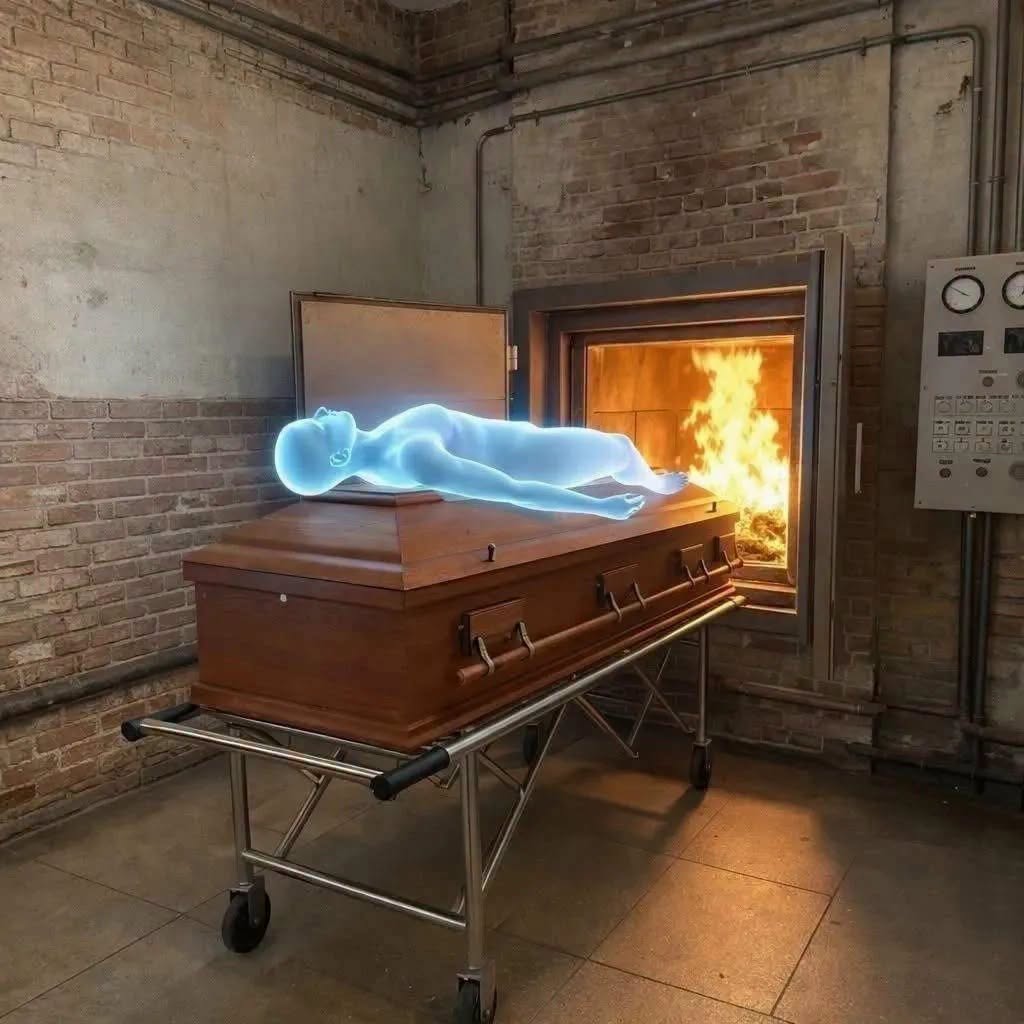
Cremation has become increasingly common in many Western societies because of rising costs, limited burial space, and environmental considerations.
For some families, it is viewed as a practical and respectful alternative to traditional burial. This has also raised questions among Christians about the body, tradition, and beliefs surrounding resurrection.
The Bible does not contain a direct command that forbids cremation. Burial was the traditional practice among ancient Israelites and early Christians, and the burial of Jesus became especially significant
within Christian tradition. The resurrection is central to Christian faith, but Scripture does not state that a person must be buried in order to be resurrected.
Some Christians have concerns about cremation because the body is described as important and sacred. However, many theologians emphasize that Christian belief in resurrection depends on God’s
power rather than the physical condition of a person’s remains. Whether a body is buried, cremated, or affected by natural decay does not place limits on that belief.
Historically, cremation was sometimes associated with religious traditions that rejected Christian teachings about resurrection, which helped strengthen the preference for burial. Today, however,
cremation is generally chosen for practical, financial, environmental, or personal reasons rather than as a rejection of Christian beliefs.
Many Christian denominations now accept cremation, although individual churches may have their own guidelines regarding memorial services and the handling of ashes. For Christians, the central focus
remains faith in Christ and the promise of resurrection. Whether a person is laid to rest in a grave or their ashes are placed in an urn, the hope of eternal life is not dependent on the physical form of their remains.