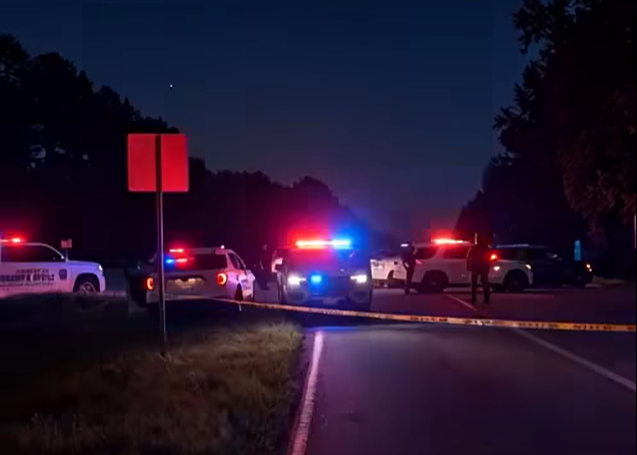
Police sometimes establish temporary restricted areas during emergencies to protect residents, pedestrians, drivers, and emergency personnel. These boundaries allow responders to assess
situations, coordinate operations, and work without unnecessary interference. The size and duration of restrictions depend on the circumstances and safety precautions required.
Temporary closures can disrupt daily routines, affecting roads, public transportation, and nearby businesses. Drivers may experience delays, while pedestrians might need alternative routes. Following
official signs, respecting barriers, and avoiding blocked streets helps emergency teams operate efficiently. People should never enter restricted areas without authorization, even when conditions appear calm.
When authorities issue warnings, residents should identify affected locations, adjust travel plans, and follow instructions specific to their neighborhoods. Depending on the situation, officials may recommend remaining indoors, avoiding particular streets, or temporarily evacuating. Residents should also avoid
gathering near emergency scenes, where crowds can interfere with response operations. Because misleading information can spread online, updates should come from verified police, government, emergency management, and transportation sources.
Community cooperation plays an essential role in maintaining public safety. Families can prepare by keeping emergency contacts accessible, identifying alternative routes, and learning how to receive
official alerts. Remaining calm, respecting temporary restrictions, and sharing accurate information help reduce unnecessary risks. Once authorities confirm that an area is safe, residents can confidently resume their normal activities.