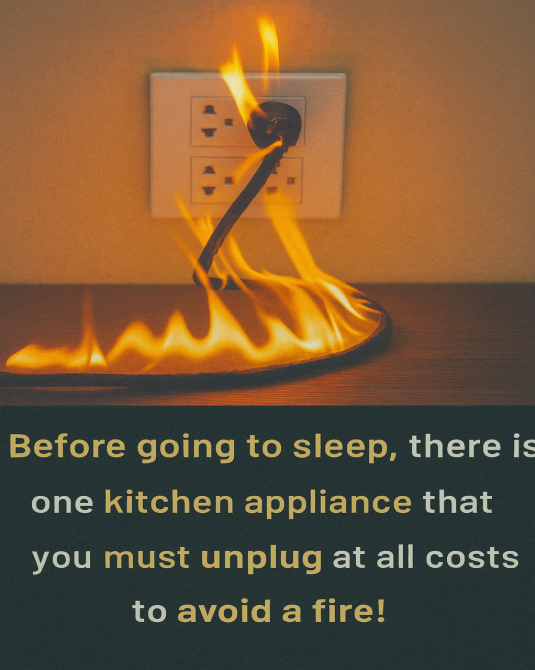
Many homeowners are familiar with the idea of unplugging appliances after use, but fewer realize how much it can affect both safety and energy consumption. Some devices continue to draw electricity even when turned off—a phenomenon often referred to as “phantom energy” or standby power. Over time, this ongoing usage can contribute to higher utility costs, potentially adding noticeable expenses over the course of a year.
Beyond energy use, certain appliances may present safety risks if left plugged in unattended. For example, space heaters require careful handling, as improper use or malfunction can increase the risk of overheating. Hair styling tools, such as flat irons and curling wands, also operate at high temperatures and should be unplugged after use to reduce potential hazards.
Kitchen appliances like toasters and toaster ovens can collect crumbs over time, which may pose a risk if not cleaned regularly. Older models in particular may benefit from being unplugged when not in use. Even appliances designed to turn off automatically, such as dryers, can still draw a small amount of power when connected to an outlet. At the same time, everyday electronics—such as phone chargers, televisions, gaming systems, and coffee makers—may continue consuming energy when left plugged in continuously, and this usage can add up gradually.
Using power strips or unplugging devices when practical can help reduce unnecessary energy use. Building simple habits, like disconnecting appliances after use, can support both household safety and energy efficiency. Small, consistent actions can make a meaningful difference over time without requiring significant effort.