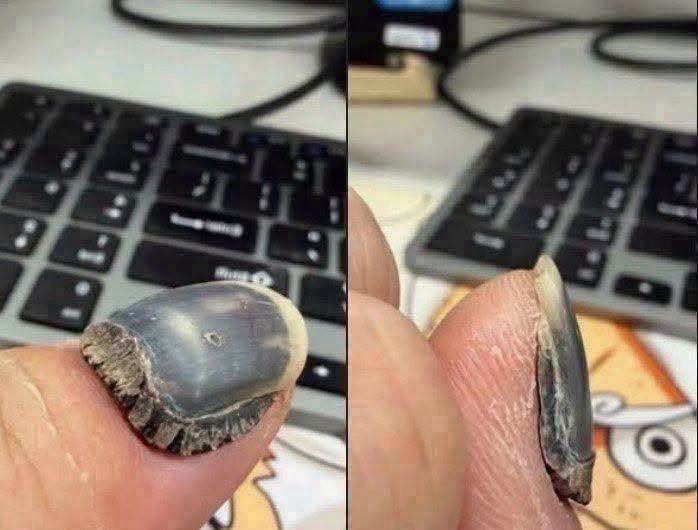
Many people dismiss small physical changes because they seem minor or temporary. A little heaviness in the legs after a long day, occasional swelling around the ankles,
or skin that appears slightly different may not seem like a reason for concern. However, these subtle changes can sometimes be your body’s way of letting you know that your circulation deserves attention.
Healthy circulation plays an important role in delivering oxygen and nutrients throughout the body. When blood does not move as efficiently as it should, especially in the legs,
everyday activities may become less comfortable. Some people notice feelings of fatigue in their legs, while others experience swelling
after standing or sitting for extended periods. These symptoms can have many possible causes, so it is important not to ignore changes that persist or worsen over time.
The skin can also reflect changes happening beneath the surface. You may notice dryness, discoloration, or areas that become more sensitive than usual.
While these changes are not always linked to a serious condition, they are worth discussing with a healthcare professional if they continue or are accompanied by pain, swelling, or other unusual symptoms.
One of the most common mistakes people make is assuming that these issues will simply disappear on their own. Although occasional discomfort is common, symptoms that become more frequent or
interfere with daily life deserve proper evaluation. Early assessment can help identify the cause and provide recommendations that may prevent future complications.
Fortunately, there are several everyday habits that may help support healthy circulation. Regular physical activity, such as walking or gentle stretching, encourages blood flow throughout the body.
Avoiding long periods of sitting or standing without movement can also make a difference. If your work requires staying in one position for extended periods, taking short movement breaks throughout the day may help improve comfort.
Maintaining a healthy weight, drinking enough water, and following a balanced diet are additional lifestyle choices that support overall vascular health. Some people also find that elevating their legs while resting provides temporary relief from feelings of heaviness after a busy day. These simple practices can become valuable parts of a healthy daily routine.
It is equally important to know when professional advice is needed. Persistent swelling, ongoing pain, skin changes, or other symptoms that do not improve should be evaluated by a qualified healthcare provider. A medical examination can help determine the underlying cause and identify the most appropriate treatment or management plan based on your individual situation.
Taking care of your circulation is an investment in your long-term health and mobility. Paying attention to your body’s signals, adopting healthy habits, and seeking medical advice when necessary can help you stay active and comfortable for years to come. Even small positive changes made today can contribute to better overall well-being and support a healthier future.