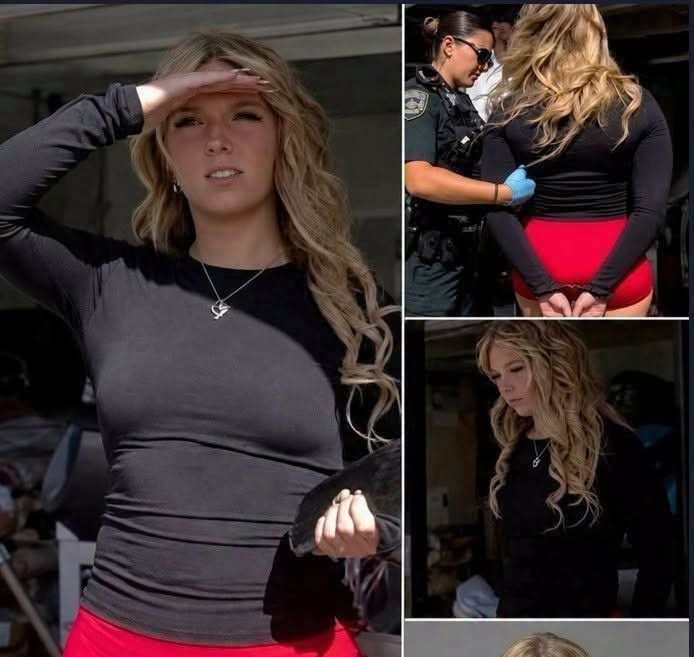
The first scream came before anyone had time to press record. Within seconds, the square filled with raised phones as strangers began documenting someone else’s worst moment. What started as a brief public disturbance quickly became a spectacle, with people watching, recording, and forming opinions before they understood what had actually happened. Police eventually brought the situation under control, but the incident was only beginning its second life online.
The scene soon spread across social media through reposts, reaction videos, screenshots, and edited clips. People who had never witnessed the event firsthand began choosing sides and creating explanations based on only a small portion of what had happened. A disturbance that was handled relatively quickly in person became a much larger online debate involving questions about morality, mental health, policing, parenting, and broader concerns about society.
Caught between these two realities was a real person whose difficult moment had suddenly become permanent digital content. Every replay, comment, and edited version removed more context while increasing public judgment. What might have been a temporary incident in a public place could now remain searchable and shareable for years. The distance created by a phone screen made it easier for people to forget that the person being discussed was not a character created for entertainment.
The incident raises an uncomfortable question about how we respond when something unexpected happens in public. Recording can sometimes provide valuable evidence or help document events, but immediately turning another person’s vulnerable moment into entertainment is different. Before raising a phone and posting, it is worth considering whether we are helping, documenting responsibly, or simply adding to someone’s humiliation. In an increasingly connected world, pausing before sharing may prevent a difficult moment from becoming a permanent digital scar.